PSEG Long Island Heat Pump Rebates 2026: $4,000-$7,500
What the PSEG Long Island heat pump rebate pays in 2026, how your tier gets decided, and where Rate 580 and the boiler bonus fit for Suffolk County homes.
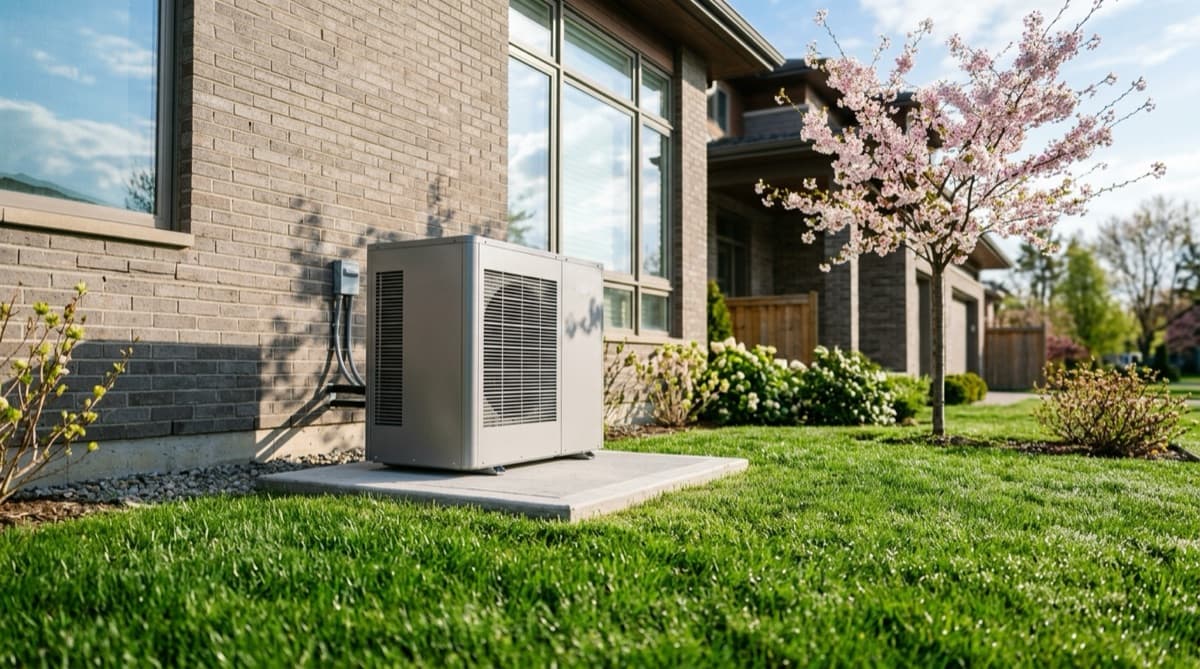
If you are pricing a heat pump for a Long Island home this year, the PSEG Long Island rebate is the number that decides whether the project works. It is one program, not three stacked on top of each other, and what you get comes down to two things: your household income and your address.
Two questions get tangled together constantly, and untangling them is most of what this page is for. Whether your project qualifies is a yes or no about the equipment and the installer. Which tier you land in is a separate question about your household, and PSEG answers it, not us. Different inputs, different answers, and mixing them is why most rebate pages read like a mess.
The 2026 rebate tiers
2026 PSEG Long Island rebate tiers
| Tier | Rebate | Who it covers |
|---|---|---|
| Market rate | $4,000 | Most Long Island households |
| Disadvantaged community | $5,000 | Any home inside a NYSERDA Disadvantaged Community. This tier goes by your address, by census tract, not by what you earn |
| Low income | $7,500 | Lower income households, verified through Energy Finance Solutions |
- Market rate$4,000
Most Long Island households
- Disadvantaged community$5,000
Any home inside a NYSERDA Disadvantaged Community. This tier goes by your address, by census tract, not by what you earn
- Low income$7,500
Lower income households, verified through Energy Finance Solutions
It is one flat rebate per home, not a per-ton amount, so a 2 ton and a 5 ton install at the same tier get the same money. PSEG confirms which tier you land in after it verifies your income and your address. Nobody, including us, can promise you a tier before that. You can check whether your address sits in a Disadvantaged Community and start the income check through Energy Finance Solutions.
Does your project qualify?
Before any of that matters, the job itself has to clear the program's bar. This half has nothing to do with your income or where you live. It is entirely about the equipment and who puts it in.
All five have to be true
- The equipment is an ENERGY STAR certified cold climate air source heat pump
- The equipment is sized to the load: NEEP listed maximum heating capacity at 17F lands between 100 and 120 percent of the Manual J heating load
- The install is done by a contractor enrolled in the PSEG Home Comfort program
- The system is purchased and installed during 2026
- The rebate application is postmarked by December 31, 2026
Miss any one of them and the rebate goes to zero. It does not get reduced, it goes away. That is why the equipment list and the contractor matter more than most homeowners expect.
The equipment requirement is the one that catches people. A heat pump that is merely efficient is not the same as one on the ENERGY STAR cold climate list, and a contractor who has not enrolled in the program cannot file for you no matter how good the install is. We are enrolled, and we match the equipment to the AHRI number PSEG verifies before the proposal goes out, because finding out afterward is an expensive way to learn this.
Which tier will you land in?
This is the household half, and it moves in two ways.
The first is income, and it matters at exactly one tier. A lower income band moves you to the top tier in the table above. There is no middle income band. Income is verified through Energy Finance Solutions, the state's administrator for this, not something we assess or estimate for you.
The second is your address. If your home sits inside a NYSERDA-designated Disadvantaged Community, you land at the middle tier on address alone, regardless of income. A lot of Suffolk County falls inside these boundaries and most homeowners have no idea. It is worth checking yours before you assume you are at the base tier. Both links are in the table above.
One thing to be clear about, because it is the same trap as the Clean Heat myth: these do not add up. Being in a Disadvantaged Community and also qualifying on income does not combine into a bigger number. PSEG makes one determination, and you land on one number, the highest single tier you qualify for.
Here is the part we will not budge on: nobody can tell you your tier before PSEG verifies it. Not us, not any contractor. If someone quotes you a specific rebate amount at the kitchen table as a settled number, they are guessing, and the gap between guessing right and guessing wrong on this is thousands of dollars you were counting on. We quote the project, we tell you which tier we think you are likely in and why, and we let PSEG confirm it.
What actually stacks, and what doesn't
Here is the myth that costs people the most confusion. People hear "PSEG rebate" and "NYSERDA Clean Heat rebate" and reasonably assume those are two checks. On Long Island they are not. PSEG Long Island administers the NYS Clean Heat program out here, so the Clean Heat money is the PSEG rebate. One program, paid once.
If a proposal shows you a PSEG rebate on one line and a separate Clean Heat rebate on another, added together into a headline number, that proposal is double counting. The real figure is the single tier amount. We have seen this on competitor quotes more than once, and the homeowner does not find out until the money does not arrive.
What does genuinely stack is NYSERDA EmPower+. It is a separate program covering weatherization and efficiency work, insulation, air sealing, and a home energy assessment, for income-qualified households, and it can run alongside the heat pump rebate on the same house. One caveat worth knowing: if you take IRA HEAR funding through EmPower+, you cannot also take the PSEG rebate, because that is the same pot of Clean Heat money arriving by a different road.
Heat pump water heaters have their own PSEG Long Island rebate, up to $1,200, separate from the heat pump rebate. If your tank is over ten years old, pricing one alongside the main project captures both incentives on one visit instead of paying for two mobilizations.
How the money actually reaches you
The question we get more than any other is whether you have to pay the full price up front and wait months for a check. You do not.
PSEG's direct pay option means the rebate is assigned to us and comes off your project instead of arriving in your mailbox later. You see it on the proposal as a reduction, and you never float it. That matters on a project this size, because "you get it back eventually" is a very different financial proposition than "it comes off the price."
Two honest caveats. The rebate lands after PSEG verifies your tier, so the proposal shows the amount we expect based on what you have told us, and the final number is confirmed, not promised. And if you carry a past due balance on your PSEG account, PSEG applies the rebate against those arrears first. That is their rule, not ours, and it catches people off guard, so we would rather you hear it from us early than discover it at the end.
Rate 580, the discount that keeps paying
Rate 580 is the piece people most often mistake for part of the rebate, and it is the piece that quietly matters most over time. It is not a check and there is no application to chase. It is a change to how PSEG bills your electricity once a heat pump is your primary heat.
Rate 580 at a glance
45% off your electric usage above 400 kWh a month, October through May.
- It is a change to your electric rate, not a rebate. No check, no application to chase.
- It applies to usage charges. It does not touch delivery charges.
- It is applied automatically when the project goes through, and it keeps applying every heating season for as long as the heat pump is your primary heat.
The rebate is a one-time event. Rate 580 shows up every heating season for as long as you own the system, which is why we bring it up before the rebate on oil to electric conversions. When you stop buying oil and start buying discounted winter electricity at the same time, the monthly picture changes more than the sticker price suggests.
The $250 boiler removal bonus
If you are converting off an oil or gas boiler, PSEG pays you extra for having the old boiler removed from the house, on top of the rebate.
Boiler removal bonus at a glance
$250 paid to you for having the old boiler removed.
- It goes to you, the homeowner, not to the contractor.
- It is optional. The old boiler can be abandoned in place.
It is also optional, which surprises people. The old boiler can be abandoned in place. Plenty of homeowners do exactly that, either because the removal is awkward in a tight basement or because they want to keep the option of a backup heat source for a while. If you leave it, you simply do not claim the bonus. Nothing else about your rebate changes.
We mention it because it is easy money that gets forgotten on the paperwork, and because we would rather you decide about your old boiler on purpose than discover the choice existed after the truck has left.
What's gone: the federal 25C and 25D credits
The Section 25C Energy Efficient Home Improvement Credit, which paid up to two thousand dollars on a qualifying heat pump, expired on December 31, 2025. The Section 25D residential clean energy credit, which covered ground source geothermal, expired the same day.
If you installed in 2025, you can still claim it on that year's return. For anything installed in 2026, there is no federal credit on a heat pump, air source or ground source. We still get calls assuming it is in play, so it is worth stating plainly. Your tax advisor is the right person for anything specific to your return.
The practical answer is that the PSEG rebate is large enough to carry the project on its own, which was not true a few years ago when the federal credit was doing more of the work.
A real proposal, and how the math worked
Numbers in the abstract are hard to hold onto, so here is an actual quote we wrote.
A real proposal we wrote
A 1,600 square foot cape in Patchogue with an aging oil furnace and a 2 ton central air system on its last legs. The homeowners wanted to heat and cool the whole house with one system and stop buying oil. We quoted a 3 ton cold climate air source heat pump, a new air handler, and refreshed ductwork at $21,800 installed.
- At the market rate tier
- $17,800
- At the low income tier
- $14,300
We did not end up doing this job, so we are not going to tell you what the homeowner saved. What the numbers show is the shape of the thing: the same house, the same equipment, and a spread of $3,500 depending only on which tier PSEG puts the household in.
That spread is the entire argument for checking your tier rather than assuming it. Same house, same equipment, same crew, and the only variable is a determination made by PSEG after the paperwork goes in.
Where homeowners leave money on the table
Four patterns we keep running into out here.
The contractor is not enrolled to file at all. This is the expensive one. The rebate is not something you claim yourself afterward; it runs through a participating installer. If yours is not enrolled, the entire amount is simply gone, and most homeowners never find out it was available.
The equipment misses the cold climate threshold. This does not reduce your rebate, it zeroes it. A system that looks efficient on the label but is not on the qualifying list disqualifies the whole project, which is a brutal way to lose the money after the work is done.
Nobody enrolls you in Rate 580. It is a separate step from the rebate, and some installers do not walk you through it. You can have a perfect install, collect the full rebate, and still pay full winter rates for years because one phone call never happened.
Oil to gas gets chosen before anyone runs the heat pump math. Sometimes gas genuinely is the right answer. But we see conversions decided before the rebate and Rate 580 are on the table at all, and once they are, the comparison often looks different than the homeowner expected. If you are weighing it, our heat pump versus oil furnace breakdown walks through the local numbers, and the Long Island home energy data page has the fuel prices those comparisons rest on.
What to do next
PSEG funds this program first come, first served, and a tier can run out before the calendar year does. That is not a scare tactic, it is just how the budget works, and it is the main reason to start the conversation earlier in the season rather than in the first cold week of November when everyone else does.
If you want a rough number before talking to anyone, our rebate calculator will get you close in about a minute, and the rebates and savings page lays every program out side by side. When you want real numbers for your actual house, call or text us at 631-209-7090. We will tell you what your heat pump installation would run, which tier we think you are likely to land in and why, and then let PSEG make it official.
Related Articles
Why an Oversized Heat Pump Fails the PSEG Rebate
PSEG heat pump rebate requirements are a band, not a floor. Why an oversized heat pump fails to qualify on Long Island, plus the rest of the checklist.
You Don't Need the Top-Tier Heat Pump to Get the Full PSEG Heat Pump Rebate
The cheapest heat pump that qualifies for a rebate is not the cheapest one sold. What clears the PSEG incentive list for Long Island homes, and what does not.
Heat Pump Installation: What to Expect
Here's what to expect during a heat pump installation on Long Island, from initial walkthrough through commissioning. Timeline, rebates, install day details.