Long Island HVAC and Home Energy Statistics (2026)
A sourced reference of Long Island heating and cooling data for 2026: design temperatures, degree days, fuel mix, energy prices, and rebate figures.
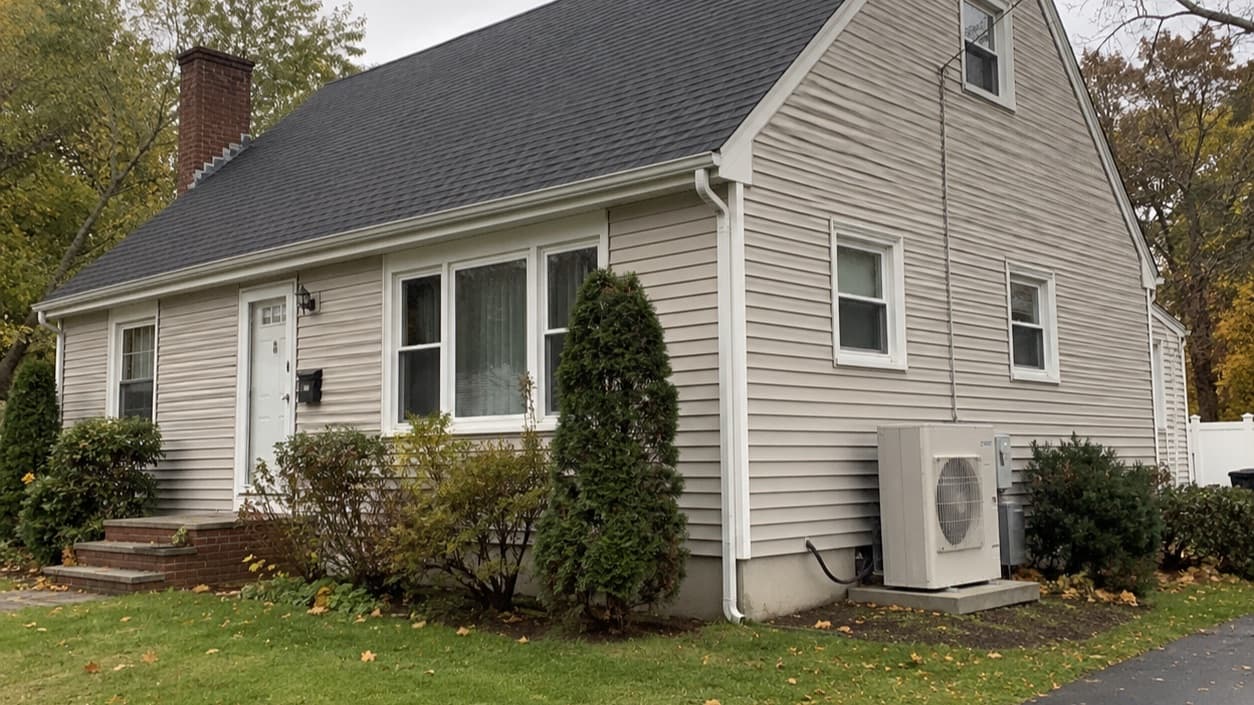
Long Island homeowners, reporters, and contractors keep asking the same questions: how cold does it really get out here, how do people heat their homes, what does energy cost, and what incentives are left in 2026. This page pulls the answers together in one place, with a primary source for every number.
We install and service heating and cooling systems across Suffolk County, so we assembled this from the data we use to size systems and advise customers. Every figure below links to its source, and we note the vintage and any caveats. Last verified July 15, 2026.
Long Island climate and system design conditions
These are the outdoor conditions an HVAC system on Long Island is sized to handle. The design temperatures drive the Manual J load calculation that determines how big a furnace, air conditioner, or heat pump a home actually needs.
| Metric | Value | Source |
|---|---|---|
| Winter heating design temperature (99%) | 10°F | ENERGY STAR county design temp guide (Suffolk County) |
| Summer cooling design temperature (1%) | 88°F | ENERGY STAR county design temp guide (Suffolk County) |
| Annual heating degree days (base 65°F) | 5,183 | NOAA NCEI Climate Normals 1991–2020, Islip MacArthur |
| Annual cooling degree days (base 65°F) | 885 | NOAA NCEI Climate Normals 1991–2020, Islip MacArthur |
The practical takeaway: Long Island's design temperature of 10°F is well within the range a modern cold-climate heat pump handles at full output, which is why heat pumps work here as a primary heat source. See our guide on cold-climate heat pumps on Long Island for how that plays out on the coldest nights.
How Long Island homes are heated
Suffolk County is unusual nationally: it splits almost evenly between natural gas and fuel oil, with a large heating-oil share that most of the country has moved away from. Figures are for occupied housing units.
| Heating fuel | Share of homes | Households |
|---|---|---|
| Utility (natural) gas | 42.4% | ~215,955 |
| Fuel oil / kerosene | 41.9% | ~213,834 |
| Electricity | 9.7% | ~49,517 |
| Bottled / tank / LP gas | 4.3% | ~21,707 |
Source: U.S. Census Bureau, American Community Survey 2024 1-year estimates, Table B25040, Suffolk County (509,892 occupied housing units).
That fuel-oil dependence is the single biggest local energy story. Nearly 214,000 Suffolk County homes still burn oil, and those households are the most exposed to oil-price swings and the ones with the most to gain from switching to a heat pump.
Long Island housing stock
| Metric | Value |
|---|---|
| Occupied housing units (Suffolk County) | 509,892 |
| Total housing units | 582,899 |
| Median year structure built | 1970 |
Source: U.S. Census Bureau, American Community Survey 2024 1-year estimates (Tables B25003, B25035). The median Suffolk County home is roughly 56 years old, which matters for HVAC: older homes often have undersized ductwork, little insulation, and heating systems well past their efficient life.
Home energy prices
| Metric | Value | Source |
|---|---|---|
| NY statewide average residential electricity price | 28.6¢/kWh (Mar 2026) | NYSERDA, using U.S. EIA data |
| NY all-sector average electricity price | 19.66¢/kWh (2024), 9th highest in U.S. | U.S. EIA, NY Electricity Profile |
| NY residential heating oil (typical winter 2025–26) | ~$3.90–$4.40/gal | U.S. EIA, weekly NY No. 2 heating oil |
| NY residential heating oil (late-season spike) | ~$5.87/gal (late Mar 2026) | U.S. EIA, weekly NY No. 2 heating oil |
Notes: NYSERDA and the EIA publish electricity prices statewide, not by utility territory. Long Island rates run above the statewide average, but we do not have a clean primary-sourced Long Island-only figure to cite here, so we quote the statewide number. New York residential heating oil sat in the high $3 to low $4 range through the core of the 2025–2026 heating season and then spiked sharply above $5.80 per gallon in mid-to-late March 2026, an unusual late-season jump in the EIA data.
Heat pump rebates and incentives on Long Island (2026)
PSEG Long Island runs the rebate that matters for local homeowners. It is one flat amount set by income tier, not a per-ton calculation, and on Long Island it already includes the New York State Clean Heat money.
| Program | Amount | Notes |
|---|---|---|
| PSEG LI heat pump rebate, market rate | $4,000 | No income requirement |
| PSEG LI heat pump rebate, disadvantaged community | $5,000 | Disadvantaged community by address, by census tract |
| PSEG LI heat pump rebate, low income | $7,500 | Income-qualified |
| PSEG Rate 580 (heating electric rate) | 45% off usage over 400 kWh, Oct–May | Ongoing rate discount, not a rebate |
| Boiler-removal bonus | +$250 | Paid to the customer |
| Federal 25C tax credit | Expired 12/31/2025 | Ended by Public Law 119-21 |
Sources: PSEG Long Island Home Comfort program; New York State Clean Heat; IRS guidance on Public Law 119-21. An important honesty note that a lot of marketing gets wrong: on Long Island the PSEG rebate and the New York State Clean Heat rebate are the same pot of money, paid through PSEG. They do not stack into two separate rebates. The rebate requires a whole-home, NEEP-listed cold-climate heat pump sized with a Manual J load calc. Full detail is in our 2026 PSEG heat pump rebate guide and on our rebates and savings page.
What a heat pump costs on Long Island
Install cost depends heavily on the home, so treat these as ranges, not quotes.
| System | Typical range (before incentives) | Source |
|---|---|---|
| Whole-home cold-climate air-source heat pump | ~$10,000–$30,000 (avg ~$16,300) | NYSERDA program data (386 projects), reported 2022 |
The average reflects NYSERDA-tracked projects and is a few years old, so it runs low against current pricing. The rebate above comes off the top. We give firm, itemized quotes after a load calculation rather than a ballpark, so treat this as a planning figure.
New York electrification policy and targets
State policy is pushing steadily toward electric heat, though the timeline for new-construction rules is contested.
| Policy / target | Detail | Source |
|---|---|---|
| NY Climate Act emissions target | 40% below 1990 by 2030; 85% or more by 2050 | NYS Climate Act (climate.ny.gov) |
| Buildings electrification benchmark | ~1–2 million homes electrified by 2030 | NY Climate Action Council Scoping Plan (2022) |
| All-Electric Buildings Act | New buildings under 7 stories: Jan 1, 2026; 7 stories and up: Jan 1, 2029 | NYS FY2024 Budget legislation |
Caveats worth stating plainly: the "1 to 2 million homes by 2030" figure is a Scoping Plan benchmark, not a hard mandate. And the All-Electric Buildings Act's January 1, 2026 effective date for smaller new buildings was delayed and challenged in federal court through 2025 and 2026; the statutory dates stand and a court affirmed the mandate in June 2026, but enforcement has been a moving target. These rules apply to new construction, not to replacing equipment in an existing home.
Sources
- ENERGY STAR (EPA/DOE), County-Level Design Temperature Reference Guide: energystar.gov
- NOAA NCEI, U.S. Climate Normals 1991–2020, Islip MacArthur Airport (station USW00004781): ncei.noaa.gov
- U.S. Census Bureau, American Community Survey 2024 1-year, Table B25040 (house heating fuel), Suffolk County: data.census.gov
- U.S. Census Bureau, ACS 2024 1-year, Tables B25003 and B25035 (occupancy and year built): data.census.gov
- NYSERDA, Monthly Average Retail Price of Electricity, Residential: nyserda.ny.gov
- U.S. EIA, New York Electricity Profile: eia.gov
- U.S. EIA, Weekly New York No. 2 Heating Oil Residential Price: eia.gov
- IRS, guidance on modifications under Public Law 119-21 (25C credit): irs.gov
- New York State Climate Act, Our Progress and Scoping Plan: climate.ny.gov
This page is maintained by Patchogue Heating and Air Conditioning. If you are a reporter or writer and want the underlying figures or a quote for a Long Island energy story, reach out.
Frequently Asked Questions
Suffolk County's 99% winter heating design temperature is 10 degrees Fahrenheit, and the 1% summer cooling design temperature is 88 degrees, per the ENERGY STAR county-level design temperature reference used for Manual J load calculations. These are the outdoor conditions a properly sized heating and cooling system is designed to handle.
About 41.9 percent of occupied homes in Suffolk County heat with fuel oil or kerosene, roughly 214,000 households, nearly tied with natural gas at 42.4 percent, according to the U.S. Census Bureau's 2024 American Community Survey. Long Island is one of the most heating-oil-dependent regions in the country.
New York's statewide average residential electricity price was 28.6 cents per kilowatt-hour in March 2026, according to NYSERDA using U.S. Energy Information Administration data, among the highest in the nation. Long Island rates typically run above the statewide average.
PSEG Long Island offers one flat heat pump rebate: 4,000 dollars for most homes, 5,000 dollars for an address in a disadvantaged community, and 7,500 dollars for income-qualified households, on a whole-home cold-climate air-source heat pump. On Long Island the New York State Clean Heat money is paid through this same PSEG rebate, so it is one rebate, not two that stack.
No. The federal 25C Energy Efficient Home Improvement Credit, which was worth up to 2,000 dollars for a qualifying heat pump, expired for equipment placed in service after December 31, 2025. It was ended by Public Law 119-21, signed July 4, 2025. Homeowners who installed before that date can still claim it on their 2025 return.
Islip, Long Island averages about 5,183 heating degree days and 885 cooling degree days per year on a 65-degree base, according to NOAA's 1991 to 2020 U.S. Climate Normals. That reflects a real but moderate winter, cold enough that a cold-climate heat pump sized to the load carries the home through nearly every winter day.