Inverter vs Single-Speed Heat Pumps: Why It Matters
Inverter heat pump vs single-speed on Long Island: how variable-speed modulation cuts energy bills, runs quieter, and adds comfort in your Suffolk County home.
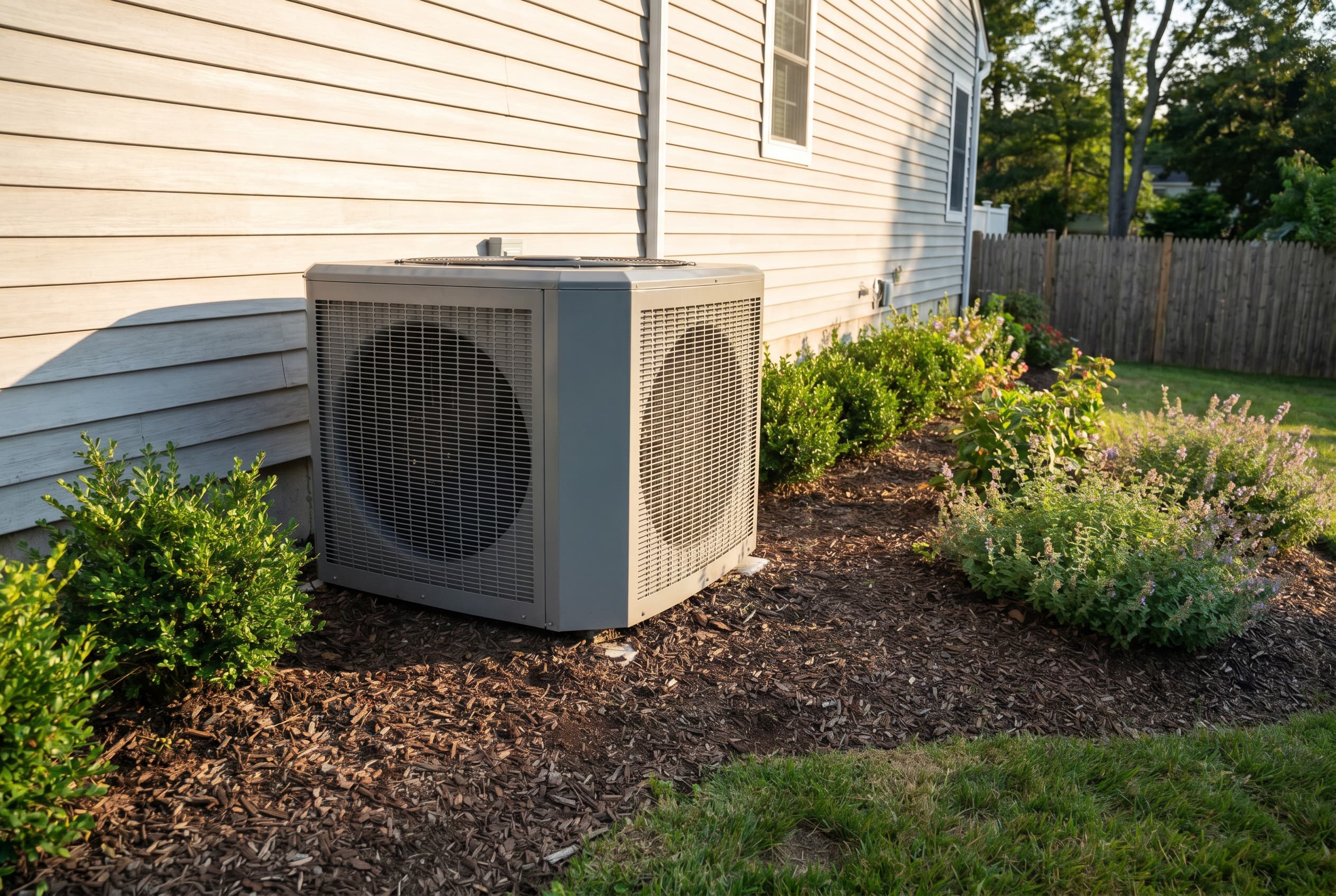
If you are shopping for a new HVAC system on Long Island, you will hit a fork in the road fast: inverter heat pump vs single-speed. It is the single biggest comfort-and-efficiency decision in the whole quote, bigger than the brand on the box. This guide explains what modulation actually does, why it matters for your Suffolk County home, and where each type makes sense. It applies to your home heating and cooling system and to pool heat pumps too.
First, what both types share
Whether it is single-speed or inverter, a heat pump works the same basic way. It uses refrigerant to move heat rather than burn fuel. In summer it transfers heat out of your indoor air and dumps it outside, so it cools your home exactly like a central air conditioning unit. In winter it reverses and pulls heat energy out of the ambient outdoor air and moves it inside. So one box can both heat or cool, and a heat pump can heat and cool to your desired temperature year round. That refrigerant cycle is identical whether the unit runs hot or cold. The only thing that changes between a single-speed and an inverter system is how the compressor runs, and that one difference drives everything else.
The difference in one picture
A single-speed heat pump, also called single-stage, has one setting: full power. It blasts to your set temperature, shuts off, lets the house drift, then kicks back on at full blast again. That on-off cycling runs all day. It heats and cools your home fine, it is just blunt about it.
An inverter heat pump has a variable-speed inverter compressor that runs at many speeds. Instead of slamming on and off, it modulates, running long and gentle at low speed most of the time and ramping up only when the weather demands it. Picture a car: the single-speed unit floors the gas and brakes over and over, while the inverter cruises at a steady speed. That is the entire inverter vs single-speed story, and everything below comes from it.
Why modulation matters: comfort
Because an inverter heat pump runs almost constantly at low speed, it holds a tight, even temperature. No swing of two or three degrees while you wait for a single-stage unit to notice the house got warm and fire back up. The inverter just trims its output continuously to match the load.
That steady operation does something else important on Long Island: it pulls humidity out of the air. Long, slow runtime gives the indoor coil and the variable-speed air handler time to wring moisture out, so a high-efficiency inverter system keeps indoor air drier and more comfortable in a muggy July than a single-speed unit that blasts cold air for ten minutes and quits. Better humidity control and indoor air quality is one of the most underrated inverter heat pump benefits.
Why modulation matters: lower energy bills
Starting a compressor is the expensive moment. A single-speed unit pays that startup energy spike every time it cycles, dozens of times a day. An inverter compressor starts once and then settles into efficient, part-load operation, which is where a heat pump sips the least electricity.
That is why inverter, variable-speed heat pumps carry higher SEER2 ratings and better energy efficiency than comparable single-stage systems. Less cycling, lower energy consumption, lower energy usage, smaller bills. Over the life of the system on Long Island, that efficiency is real money, and it is the main reason the upfront premium pays back.
Why modulation matters: quieter operation
A single-speed heat pump is loud because it only knows one volume: full. An inverter heat pump spends most of its life at low speed, so the outdoor unit hums quietly in the background instead of announcing every cycle. If your outdoor unit sits near a bedroom window, a patio, or a tight side yard between houses, the quieter inverter operation is something you notice every single day.
Inverter and pool heat pumps
The same logic applies to your pool. A single-speed pool heat pump roars on at full power to claw the water back to temperature, then shuts off. A variable-speed pool heat pump holds the pool at a steady temperature by running quietly at low speed, which keeps the water more consistent, runs far quieter near the patio, and uses less energy across a long Long Island swim season. If you are heating a pool, inverter technology is the upgrade worth asking about.
Ducted, ductless, and either way
Inverter technology shows up across the board. Most modern ductless mini-split systems are inverter-driven heat pumps by default, which is a big part of why a mini-split heat pump is so efficient. But you do not need to go ductless to get it. A ducted heat pump, a central split system that ties into your existing ductwork, can absolutely be an inverter system, so you keep whole-home ducted air and still get variable-speed modulation. A ducted inverter can even pair with a gas furnace in a dual fuel setup. The choice of inverter vs single-speed is separate from the choice of ducted vs ductless. A premium HVAC brand like Trane, or Daikin, builds inverter compressors into both.
When a single-speed heat pump still makes sense
We will tell you straight. A single-speed unit is not a bad machine, it is a value machine. It makes sense if:
- You are on a tight budget. The single-stage unit has a lower upfront cost, and it still heats and cools reliably.
- You are selling soon. If you will not be in the home long enough to bank the energy savings, the cheaper unit is the smarter spend.
- It is a small or simple space. In a space where tight temperature control and humidity are not big concerns, single-speed is plenty.
There is also a middle ground. A two-stage unit has high and low settings, so it is a step up from blunt single-stage heat without the full cost of an inverter. But for most homeowners staying put, the inverter's lower bills, quieter run, and steadier comfort win out over the life of the system.
How this ties into brand and rebates
Inverter, variable-speed operation is exactly what separates premium equipment from value equipment. A Daikin inverter system modulates, while a base Goodman is single-stage, which is the heart of our Daikin vs Goodman comparison. Either way, an inverter heat pump that becomes your home's primary heat can qualify for the PSEG Long Island rebate, a flat amount per home: $4,000 at market rate, $5,000 for Disadvantaged Community homes, and $7,500 for income-qualified households. PSEG Rate 580 takes 45% off your electric usage above 400 kWh a month, October through May. It is a rate discount, not a rebate. The federal 25C tax credit expired at the end of 2025, so no federal credit applies to 2026 installs.
The bottom line for your Long Island home
If you are staying in the home and you care about comfort and your energy bills, the inverter heat pump is the better buy almost every time: quieter, steadier, more efficient, and gentler on Long Island humidity. If budget is the deciding factor or you are moving soon, a single-speed system is a dependable, lower-cost choice. Pairing either one with a good smart thermostat helps you get the most out of it, and a cold climate heat pump is almost always an inverter design built for our winters.
Still deciding? Our heat pump installation page covers how the install goes. Or call or text 631-209-7090, tell us about the house, and we will tell you whether the inverter premium is worth it on your particular job or whether it is money better spent elsewhere.
Frequently Asked Questions
An inverter heat pump uses a variable-speed inverter compressor that can run at many different speeds instead of just on or off. It modulates its output to match exactly how much heating or cooling your home needs at that moment, the way a car cruises at a steady speed instead of flooring it and braking. That steady, inverter-driven operation is what makes it quieter and more efficient than a single-speed unit.
A single-speed heat pump, also called single-stage, runs at full power or not at all. It blasts to the set temperature, shuts off, drifts, and kicks back on, cycling all day. An inverter heat pump modulates, running long and gentle at low speed most of the time and ramping up only when needed. The inverter holds a tighter temperature, removes more humidity, runs quieter, and uses less energy.
For most Long Island homes, yes, if you plan to stay a while. An inverter heat pump costs more upfront than a single-stage unit, but the variable-speed compressor cuts energy consumption, so the lower bills pay back the difference over time. You also get quieter operation and steadier comfort every day. If you are selling soon or on a tight budget, a single-speed unit is the cheaper, still-dependable choice.
Yes. Because an inverter compressor runs at variable speed instead of full blast, it avoids the energy spike of a single-stage unit starting up over and over. Running long and slow at part-load is far more efficient, which is why inverter, variable-speed heat pumps carry higher SEER2 ratings and lower running costs than comparable single-speed systems.
Yes, and pool heat pumps are one of the best uses for inverter technology. A variable-speed pool heat pump runs quietly at low speed to hold your pool at temperature, instead of a single-speed unit roaring on and off. It keeps the water steadier, runs much quieter near the patio, and uses less energy across a long Long Island swim season.
Noticeably. A single-speed heat pump is loud because it only knows full power. An inverter heat pump spends most of its time at low speed, so the outdoor unit hums quietly instead of cycling on at full volume. For homes with the outdoor unit near a bedroom window or a patio, the quieter inverter operation is a real day-to-day difference.